Building a resilient home connection
Failover, battery backup and sensible redundancy for people who work from home — without building a data centre in a cupboard.
1 July 2026 · 12 min read
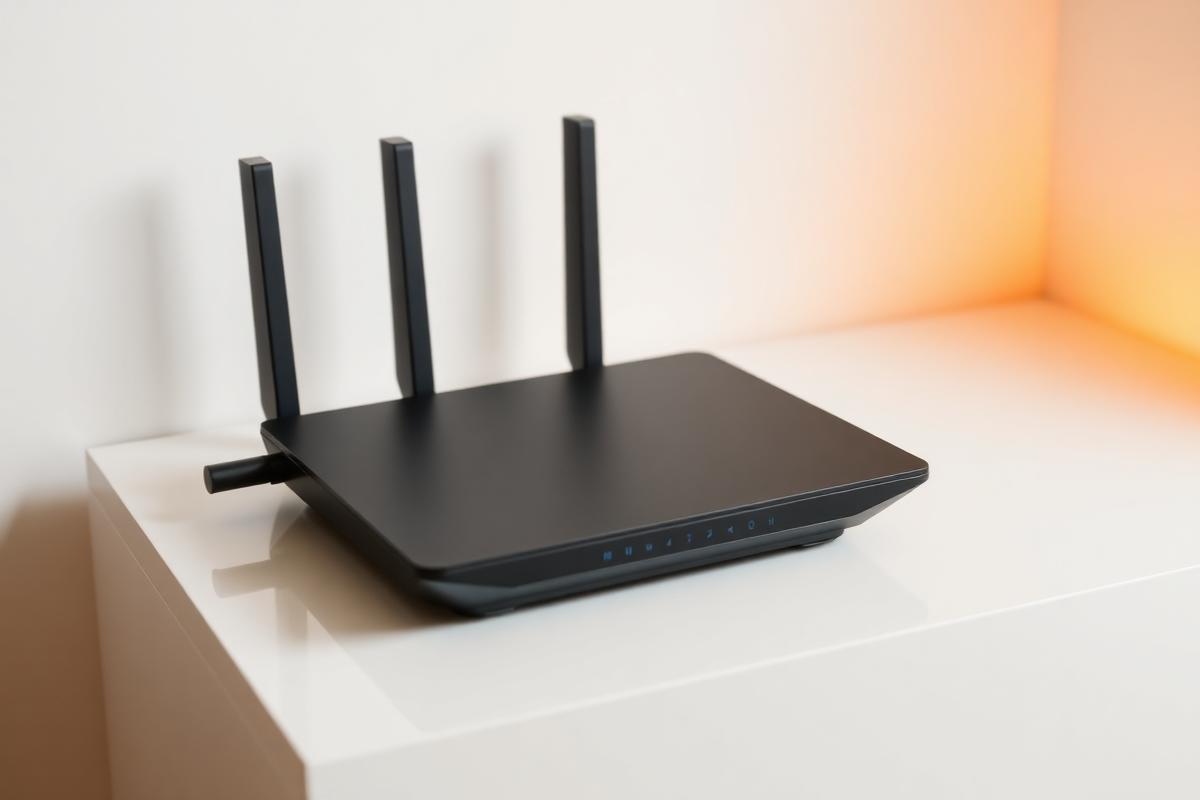
Resilience is mostly about removing cheap single points of failure and accepting the ones that are not.
A small UPS keeps a router and ONT running for several hours and covers the majority of short power cuts.
A router with automatic failover to a mobile SIM can take over within seconds, which is usually enough to keep a call alive.
Keep a second DNS resolver configured. Many home networks break quietly during an incident at this layer.
You do not need enterprise hardware. A mid-range router with failover, a modest UPS and a cheap standby SIM is a reasonable starting point for most households.
Editorial note
This article is editorial guidance. Where a result depends heavily on location we say so rather than reporting a single number as universal.
Read next
Related work
Can 5G replace home broadband?
5G home broadband can be a flexible alternative where full fibre is not yet available. The right choice depends on coverage, speed and usage in your location.
Read
Best connectivity for rural homes
Fixed wireless, 4G with an external antenna, satellite or a community network — the first step is working out which options your address actually supports.
Read
Starlink versus 5G
Two very different ways to get online without a fixed line. Weigh coverage, latency, weather resilience and total cost before choosing.
Read