How to get reliable internet in a campervan
A practical setup for working on the road: SIM choice, roof antennas, power draw and what to do when you park in a dead spot.
19 July 2026 · 10 min read
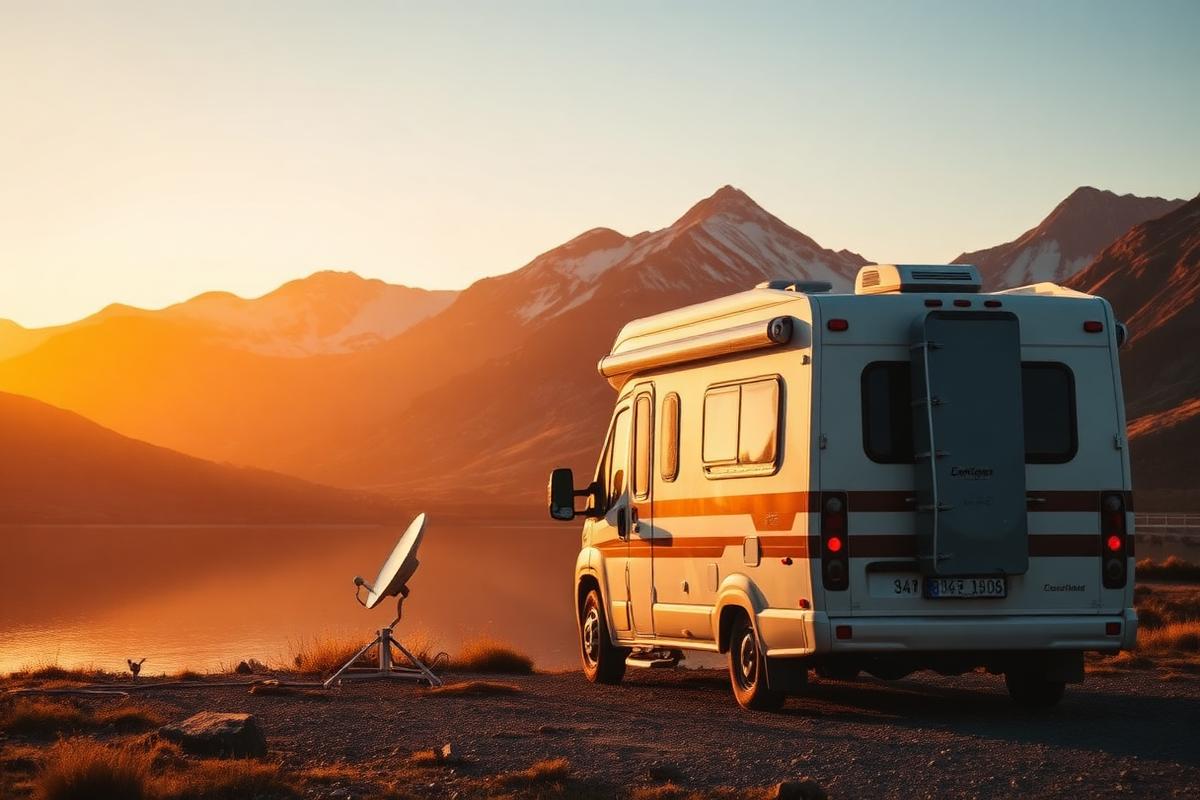
Connectivity on the road is a coverage problem before it is a speed problem. The goal is to be online in more places.
Two SIMs on different host networks is the single most effective change many people can make. Coverage maps diverge once you leave main roads.
A roof-mounted MIMO antenna feeding a 12V router usually beats a phone hotspot in marginal locations.
Watch the power budget. A router and antenna combination typically draws 8 to 15W continuously, which is meaningful on a modest leisure battery.
For genuine dead spots, plan around them. Download maps and work files in advance, and treat satellite as an occasional-use option rather than a daily driver.
Editorial note
This article is editorial guidance. Where a result depends heavily on location we say so rather than reporting a single number as universal.
Read next
Related work
Can 5G replace home broadband?
5G home broadband can be a flexible alternative where full fibre is not yet available. The right choice depends on coverage, speed and usage in your location.
Read
Best connectivity for rural homes
Fixed wireless, 4G with an external antenna, satellite or a community network — the first step is working out which options your address actually supports.
Read
Starlink versus 5G
Two very different ways to get online without a fixed line. Weigh coverage, latency, weather resilience and total cost before choosing.
Read