What happens when the mobile network goes down?
Outages are rarer than they feel, but they expose how much we route through one connection. What typically keeps working, and what does not.
9 July 2026 · 7 min read

A mobile outage rarely takes out everything at once. Understanding which layer failed tells you what still works.
If the radio network is up but the core is down, your phone will show bars and refuse to connect. Emergency calls usually still route via any available network.
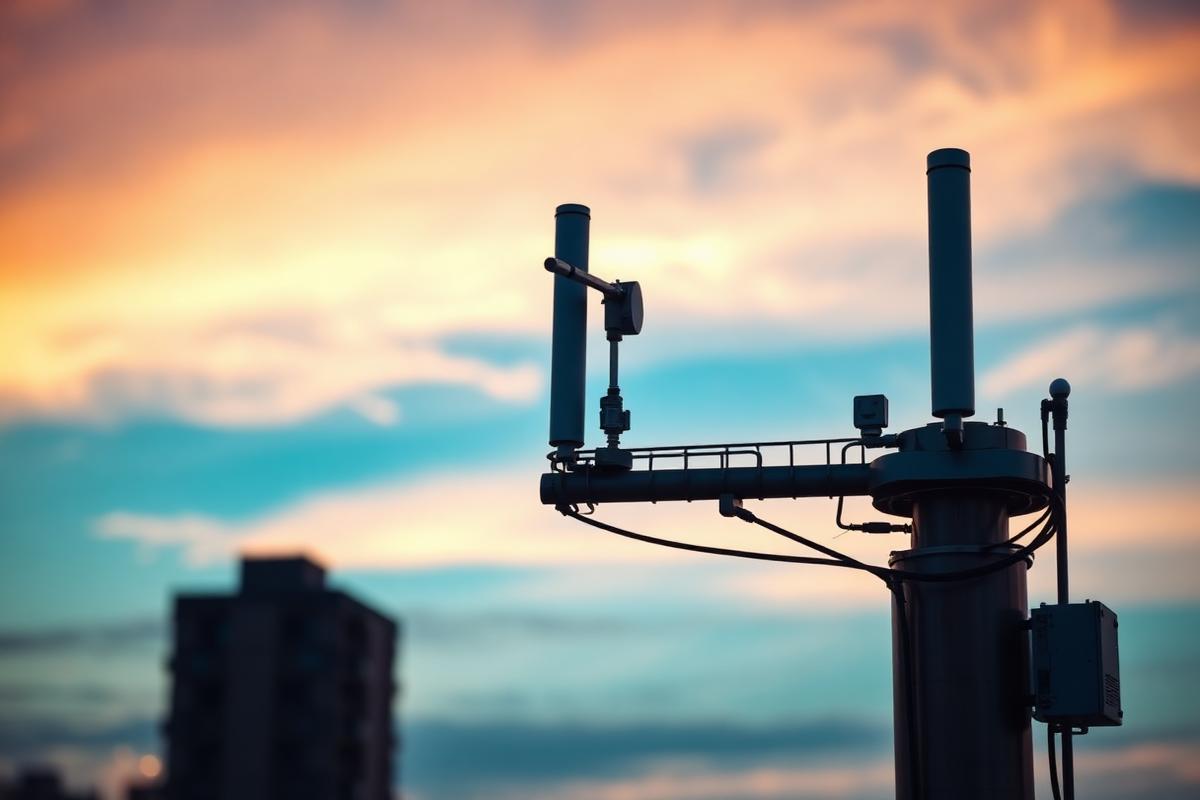
If a mast loses power or backhaul, coverage disappears locally. Neighbouring cells may pick up some load, which is why you sometimes get signal by moving a short distance.
Wi-Fi calling is a useful fallback, provided the broadband is on a different provider path.
For anyone who depends on being reachable, a second SIM on a different host network kept for emergencies is a practical safeguard.
Editorial note
This article is editorial guidance. Where a result depends heavily on location we say so rather than reporting a single number as universal.
Read next
Related work
Can 5G replace home broadband?
5G home broadband can be a flexible alternative where full fibre is not yet available. The right choice depends on coverage, speed and usage in your location.
Read
Best connectivity for rural homes
Fixed wireless, 4G with an external antenna, satellite or a community network — the first step is working out which options your address actually supports.
Read
Starlink versus 5G
Two very different ways to get online without a fixed line. Weigh coverage, latency, weather resilience and total cost before choosing.
Read